Cost model · BeamCell® extractive vs paramagnetic O₂
What an oxygen measurement outage costs you
A paramagnetic analyzer is cheaper to buy and will stay cheaper to buy. The comparison turns on how often each instrument is out of service and what that outage is worth on your process, so both sides carry a failure rate here and you set both.
Paramagnetic O₂ analyzer
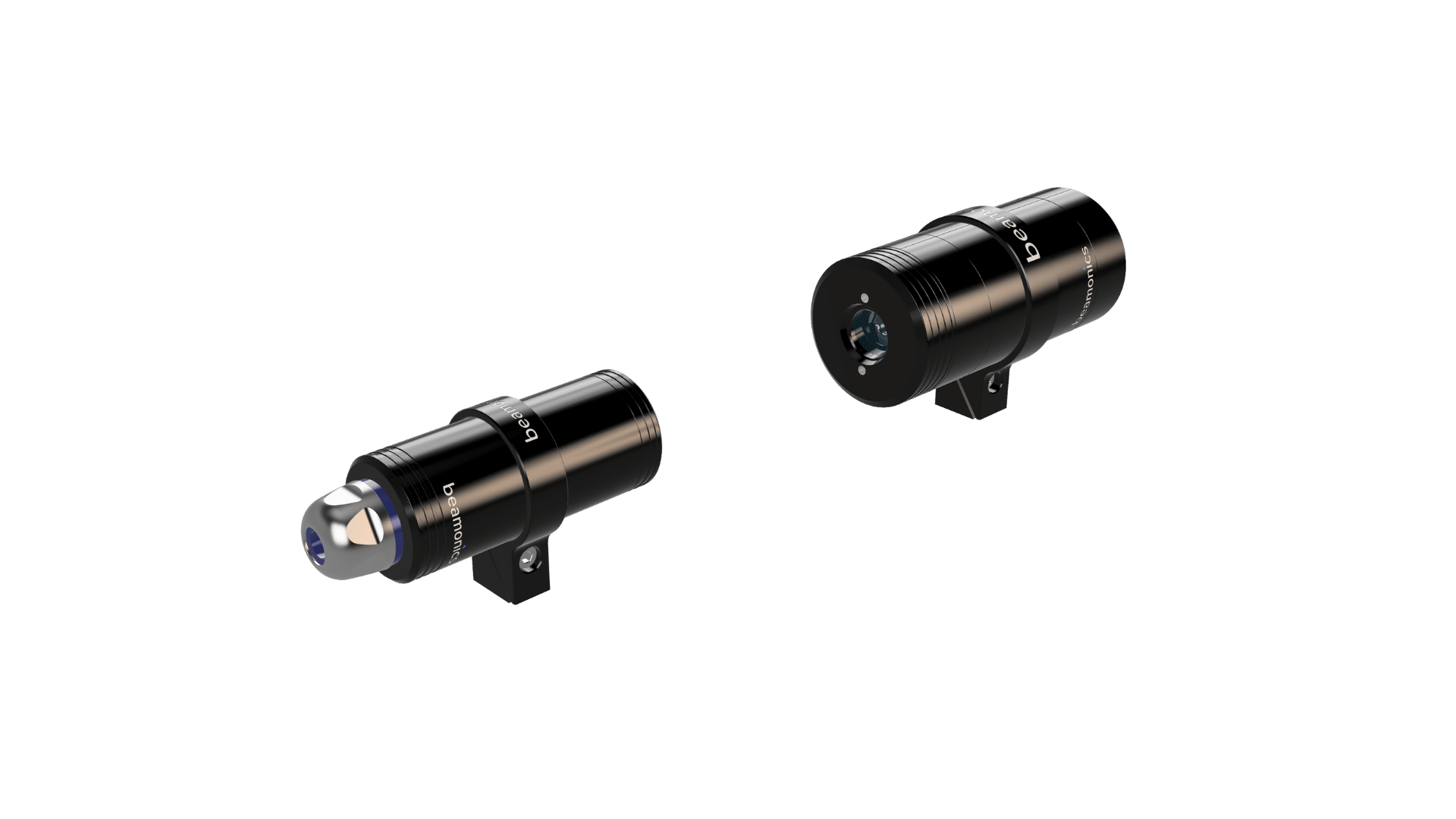
BeamCell® extractive analyzer
Cost of losing the measurement
This is the term that decides the comparison, and it applies equally whichever analyzer failed. When an oxygen measurement goes down, what does it cost before it is back in service: process held, product quarantined, tool requalified, or nothing at all because a spare is racked next to it. On a safety-critical or high-value stream this number is often larger than the instrument. Set it to zero to see the result on capital and running cost alone.
Shared assumptions and financing
Enter your figures above
The model runs as soon as the fields are filled.
From capital and installation
-
-
From routine running cost
-
-
From failures and outages
-
-
Cumulative cost of ownership, present value
Paramagnetic BeamCell Crossover
| Cost line | Paramagnetic | BeamCell | Difference |
|---|
Method. Capital and installation fall in month zero. Failures are modelled as an expected cost accruing evenly across the year rather than as discrete events, so the curve is smooth and the result is an average across many installations rather than a prediction for yours. Calibration, service and interference costs accrue evenly. Everything is discounted to present value at the rate you set. The measurement point count multiplies both sides equally.
Read the three contribution figures rather than only the total. The paramagnetic analyzer costs less to buy and that does not change, so the capital line runs against the BeamCell in almost every configuration. If you set the outage cost to zero and the BeamCell still comes out ahead, the case stands on routine running cost alone. If it does not, the case depends on the value you put on continuity of measurement, which is a judgement about your process rather than a property of either instrument.
The starting values are illustrative placeholders, not published prices for any product and not a quotation for any competing instrument. Nothing here prices measurement range, detection limit, response time, background composition effects or certification scope. Those are usually the reason to choose one measurement principle over another, and they are worth a conversation before a cost model is.